
Uniform solution distribution
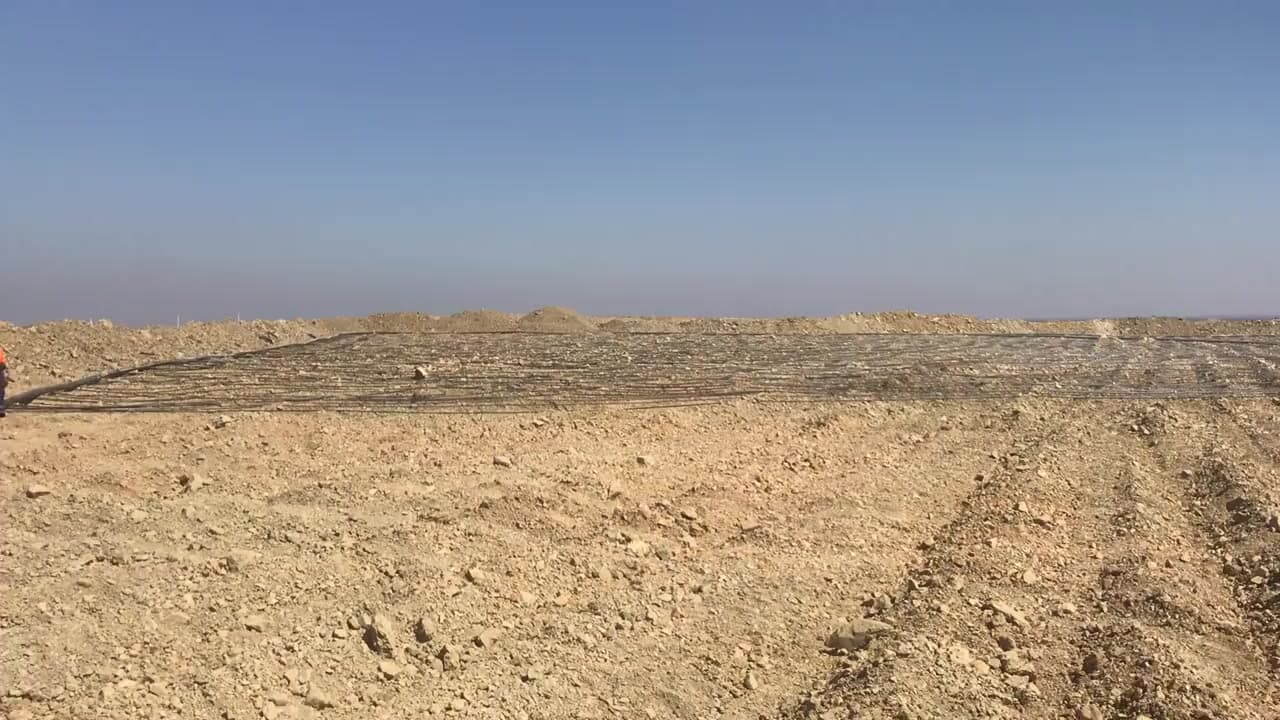
Pressure-compensating emitters and full-pad coverage deliver lixiviant where the ore actually sits — instead of channelling through hot spots.
Proven field outcomes
Where the gains come from
The numbers below are not marketing — they are reported by operators after they converted from sprinklers or conventional drip to Ore-Max heap leach systems. Three design choices do most of the work.
Pressure-compensating emitters and full-pad coverage deliver lixiviant where the ore actually sits — instead of channelling through hot spots.
Mining-grade emitters with oversized screens and turbulent flow paths keep dripping in iron, gypsum, and grit chemistries that close conventional emitters down.
Drip collars and pressure regulators let operators leach side slopes and steep terraces that sprinkler systems leave behind — recovering ore most pads stop charging for.
Field case studies
Each case study below comes from an active or recently active heap leach operation. Click through for the operating context, the change, and the measured outcome.
 Featured case study
Gold Mining
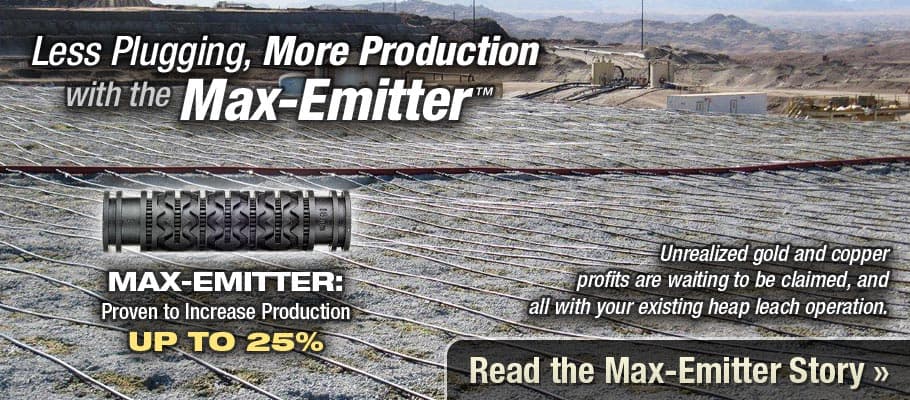
After Max-Emitter conversion in 2003 at a major South American gold mine, 7 consecutive monthly production records were set. First quarter 2004 results confirmed a 26% gold extraction increase compared to pre-Max-Emitter performance.
26%
Gold Extraction Increase

18%
Copper Mining
Read Full Story
10%
Gold Mining
Read Full Story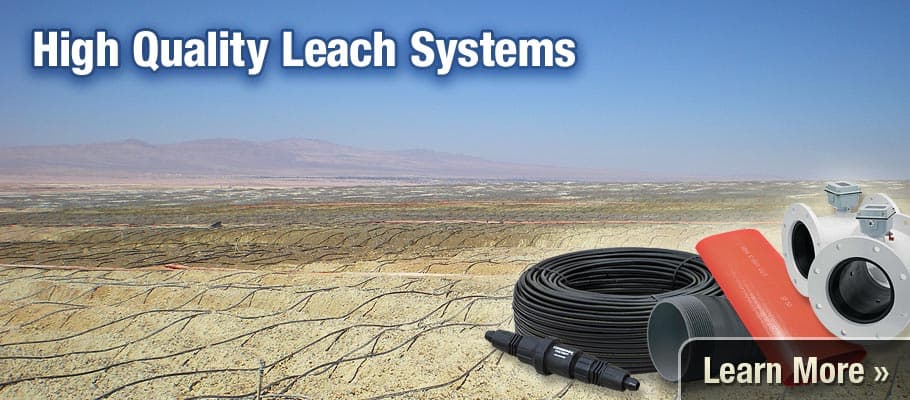
25%
Copper Mining
Read Full Story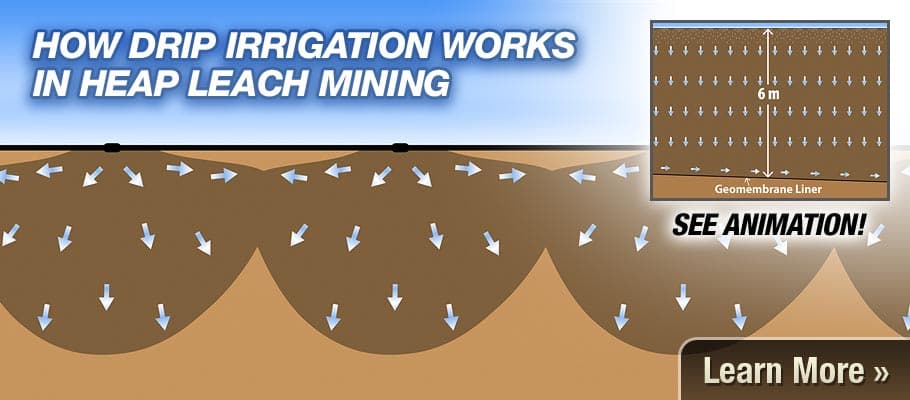
50%
Nitrate Mining
Read Full StoryOnly 5%
Gold Mining
Read Full StoryAcross the heap-leach world
Ore-Max heap leach systems are running in North America, South America, Africa, Asia, and Australia — in climates from the Atacama to the Arctic Circle. The case studies above are a sampling of the operating record.
Why the results look this way
The case studies show the result; these pages show the design choices that produce it.
The patented mining emitter behind the recovery uplifts — turbulent flow path, oversized screen, pressure compensation.
Learn moreCenter for Irrigation Technology results: 0 of 20 emitters plugged after a doubled-grit protocol at 5,500 PPM.
Learn moreSide-by-side comparison of flow path length, screen area, and flow path volume against NetaFim, Toro, and Plastro.
Learn moreRun the numbers on your operation